

Hotel ERP From Booking to Balance Sheet
Index World implements hotel ERP for hotels, resorts, serviced apartments and groups: reservations, housekeeping, food and beverage, procurement, payroll and reporting in one set of books.

Built for How Hotels Actually Run
Rooms, restaurants, stores, staff rotas, and the finance office rarely share a system. We connect the departments that already depend on each other, from the arrival board to the owner’s monthly report.
Reservations & Front Office
Bookings, rates, guest folios, deposits, and city ledger accounts held against one guest record, so what the front desk sees and what finance bills never drift apart.

Housekeeping & Maintenance
Room status, cleaning assignments, linen and amenity consumption, and maintenance jobs tracked live, so rooms return to sale faster and nothing is repaired twice.

Food & Beverage
Restaurant, bar, room service, and banqueting sales tied to recipes and stock, so cost of sale is a number you watch weekly rather than discover at month end.
Procurement & Inventory
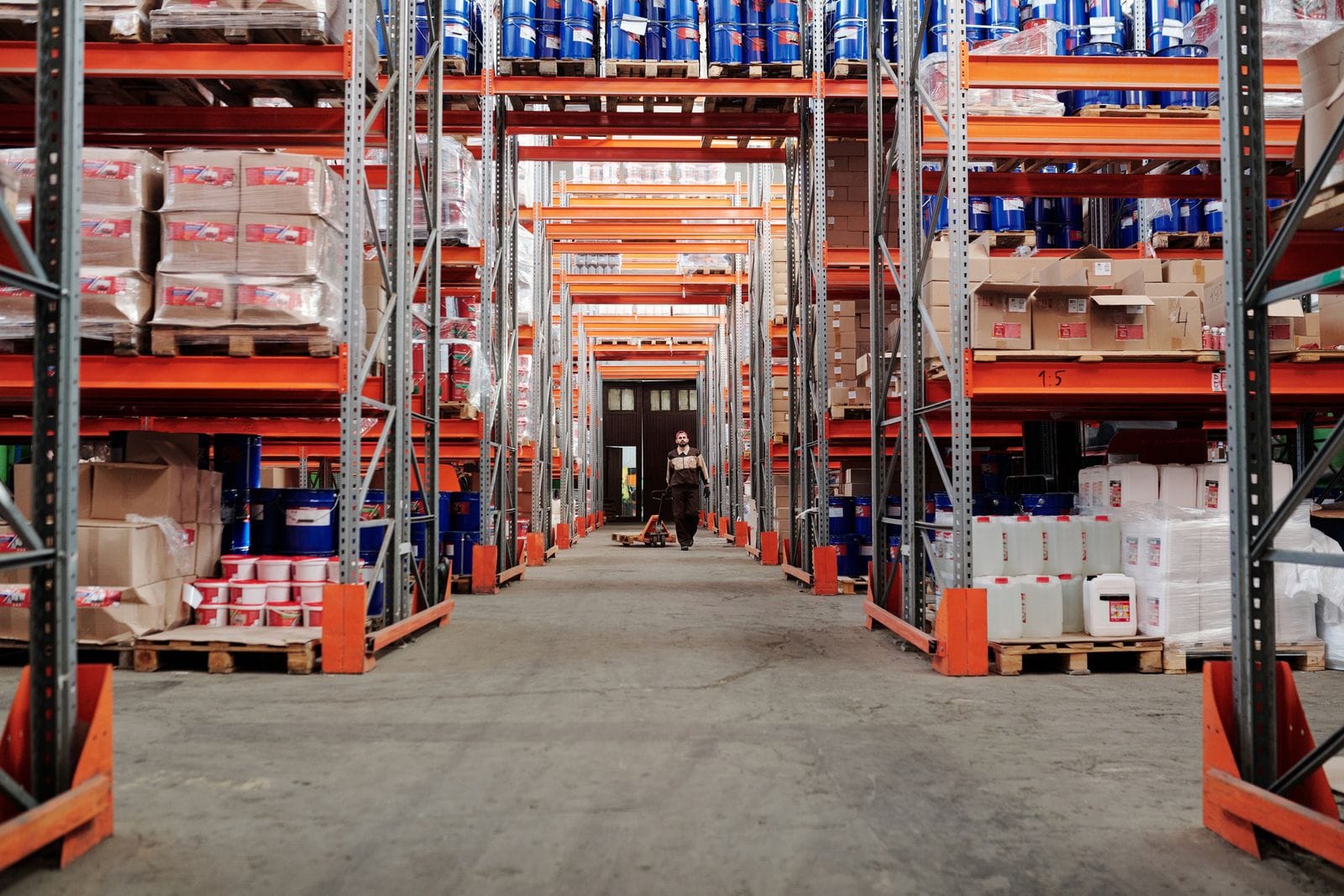
Purchase requests, approvals, supplier prices, goods received, and inter-outlet transfers in one flow, so buying is controlled before the invoice arrives, not queried after.
Staff, Shifts & Payroll
Rotas, attendance, seasonal contracts, multiple pay rates, shift differentials, and service charge distribution flowing into payroll without a spreadsheet in between.

Revenue & Reporting
Occupancy, ADR, RevPAR, departmental profit, and owner reporting built on the same ledger the finance office closes, per property and across the whole portfolio.

What is Index World for Hotels?
Index World is an ERP implementation partner for hospitality businesses. We sit with your general manager, head of housekeeping, F&B controller and whoever closes your month, map how the work moves today, and only then build a single system around it.
We will not tell you to throw away software that works. If your front desk is fast and happy on the property management system you already run, we keep it and connect to it. The ERP sits behind, owning finance, procurement, stock, payroll and reporting. For smaller properties still running on a booking sheet and three spreadsheets, one connected system is usually the better answer.
The hardest problems in a hotel are rarely at the front desk. They are the ones nobody owns: the F&B cost percentage that appears weeks after the food was eaten, the payroll run that takes two days because tips and shift rates live in a different file, the owner’s report three people assemble by hand. We have rebuilt multi-entity profit-and-loss reporting, delivered payroll with attendance feeding straight into processing, connected cross-platform accounting and built live management dashboards.
Hotel Management Software, Shaped to Fit
A twenty-room boutique and a forty-property management company have almost nothing in common operationally. One needs fewer systems; the other needs the systems it has to finally agree with each other. We configure very differently depending on which you are.
Independent & Boutique Hotels
10–80 rooms
Where it hurts
A lean team runs everything, bookings arrive from four channels, and the accounts are reconstructed monthly from card statements and a notebook.
What changes
One connected system, not five subscriptions. Reservations, billing, stock, and books share a database, and the owner sees last night’s numbers each morning.
Resorts & Multi-Outlet Properties
F&B, spa & leisure
Where it hurts
Restaurants, bars, spa, and activities each run their own till and stock, and nobody can say which outlet made money last month.
What changes
Every outlet posts to one ledger with its own departmental profit line, recipes and stock tie to sales, and inter-outlet transfers stop vanishing.
Hotel Groups & Management Companies
Multi-property
Where it hurts
Each property has its own property management system, chart of accounts, and way of closing. Consolidation happens in a spreadsheet, weeks late.
What changes
The ERP sits behind whatever each property already runs. A standardised chart of accounts, automated consolidation, and portfolio reporting without anyone stitching files.
Serviced Apartments & Hostels
Extended stay
Where it hurts
Long stays, part-month billing, bed-level inventory, utilities recharges, and deposits behave nothing like nightly hotel rates, so generic systems need constant correction.
What changes
Billing rules configured for the stay patterns you actually sell, unit or bed level occupancy, and recurring charges raised automatically instead of remembered.
Not sure which pattern you are? Our implementation team maps your operation before recommending anything, including recommending you keep what you have.
Keep What Works, Connect the Rest
Two thirds of independent hotels say disconnected systems are one of their biggest operational problems. The answer is rarely another subscription. It is making the tools you already pay for share one set of numbers. Here is what we connect.
Property Management Systems
Front office That covers the Opera and Oracle Hospitality family, Cloudbeds, Mews and RoomRaccoon.
Your PMS keeps running the front desk while revenue, folios and night audit post into the ledger.
No re-keying between reception and finance.
Channel Managers & OTAs
Distribution SiteMinder feeds, and the Booking.com, Expedia and Airbnb bookings behind them, land in the same reservation record.
Bookings, commissions and cancellations reconcile against what you actually banked.
Commission leakage becomes visible, then fixable.
Restaurant & Bar POS
Food & beverage Toast, Lightspeed and Square for Restaurants tickets post to the ledger the same night.
Till sales draw stock down through recipes, per outlet and shift.
Cost of sale you can read weekly, not monthly.
Payment Gateways
Payments Stripe, Adyen and Square settlements reconcile against the folio automatically.
Card takings, deposits, and refunds matched to bookings and settled against bank statements automatically.
Reconciliation that finishes itself.
Payroll Systems
People
Rotas and clock-ins feeding payroll processing, including exports into providers such as ADP, a flow we have delivered end to end.
Pay runs in hours instead of days.
Accounting Platforms
Finance
Xero, QuickBooks, and bank feeds kept in step with operational revenue, cross-platform accounting we maintain in production today.
Books that agree with the arrival board.
Procurement & Suppliers
Purchasing Supplier portals and EDI price lists feed purchasing directly, so order guides stay current.
Supplier catalogues, contract prices, and electronic invoices matched to purchase orders and goods received.
Price creep caught before it is paid.
BI & Owner Dashboards
Leadership
Power BI dashboards over occupancy, ADR, RevPAR, labour cost, and departmental profit, refreshed automatically across the portfolio.
Owner answers in minutes, not month-end.
Door Locks, Energy & IoT
Property tech Key-card and smart-lock systems take check-in assignments, and energy monitoring reads occupancy from the same record.
Key systems, energy management, and in-room technology tied to arrival, departure, and housekeeping status.
Empty rooms stop costing you money.
Running something not listed here? If it has an API, it can almost certainly be connected. Ask us about yours.
Do not see the tool you run? An open API means if it can talk, we can connect it.

How It Works, Your Path to Go-Live
A phased, proven path: most properties are live within 8–12 weeks, with the cutover timed around your own occupancy calendar rather than ours.
Discovery & process audit
We map your booking flow, outlets, purchasing, payroll rules, and reporting obligations before touching configuration.
Solution design
You get a blueprint covering modules, integrations to your existing PMS and POS, data migration, and what we deliberately leave alone.
Build & configure
We configure rate plans, departments, recipes, approval limits, and pay rules, migrate your data, and validate every flow on staging first.
Train & go live
Role-based training for reception, housekeeping, kitchen, and finance, then a supported cutover timed to your quietest weeks.
Optimize & grow
Post-go-live support, new outlets or properties added, and reporting refined as the portfolio grows.
Got questions? We’ve got answers.
What is the difference between a hotel ERP and a PMS?
A property management system runs hotel operations: reservations, the front desk, housekeeping. A hotel ERP runs the business behind them: the ledger, payables and receivables, procurement, stock, payroll and reporting. The PMS belongs to reception, the ERP to finance and ownership. Most properties need both, which is why connecting them matters more than choosing.
Can an ERP built for factories and shops really run a hotel?
Yes. Accounting, purchase, inventory, point of sale and HR cover the hospitality back office directly, with reservation and housekeeping capability added on top, and the multi-company structure suits groups where each property needs its own books but the group needs one consolidated view. The platform decision comes after we understand your operation, not before: Sage, Oracle NetSuite and Microsoft Dynamics are the alternatives we deliver.
How long does a hotel ERP implementation take?
Most single properties go live in 8–12 weeks, phased so finance and procurement deliver value while other modules are still being configured. Groups take longer, driven mainly by how much the chart of accounts varies between properties. We time cutover to your own occupancy calendar and never during peak season or a major event.
Can it handle hospitality payroll with tips and shift rates?
Yes, and it is one of the clearest wins. Hospitality pay is complex: service charge distribution, multiple rates per employee, shift differentials, split shifts and seasonal contracts. We have built attendance-to-payroll flows end to end, including exports into providers such as ADP, so rotas and clock-ins reach payroll without a spreadsheet in between.
Does it connect to our channel manager and the OTAs?
Yes. Bookings, commissions, cancellations, and channel adjustments are brought in and reconciled against what actually reached your bank, so commission leakage becomes visible rather than assumed. Distribution itself stays with your channel manager, which is the right tool for it. We make sure the money side agrees with it. See our integration services.
How does F&B costing and stock control work?
Dishes are built from ingredients with costed recipes, till sales draw stock down automatically, and stocktakes compare actual usage against theoretical. The result is a cost of sale you read weekly, with variance identifying the outlet and the item. When a supplier price moves, you see which dishes stopped paying their way.
What happens to our historical booking and financial data?
We audit what you hold first: the current system, spreadsheets, and anything on paper, then clean and map it before anything moves. Migration runs in phases rather than one risky cutover, and every flow is validated on staging so you see your own records working before you depend on them. See our migration service.
What training and support do we get after go-live?
Training is delivered by role rather than by module, so your receptionist, head housekeeper, chef and financial controller each learn only the screens they use, which matters in a sector with high turnover. After cutover you get ongoing support and reporting refined as you grow. More on our training and support plans.