

Food Traceability Software That Follows Every Lot From Goods In to the Customer
Index World builds lot traceability, allergen control, shelf life and recipe costing into one system for food and beverage manufacturers and distributors, so a recall takes an hour, not a day.

Built for Food and Beverage Production
Six places where food and beverage businesses quietly lose control, and what changes when goods in, production, quality, labelling and dispatch share one record.
Ingredients and Suppliers
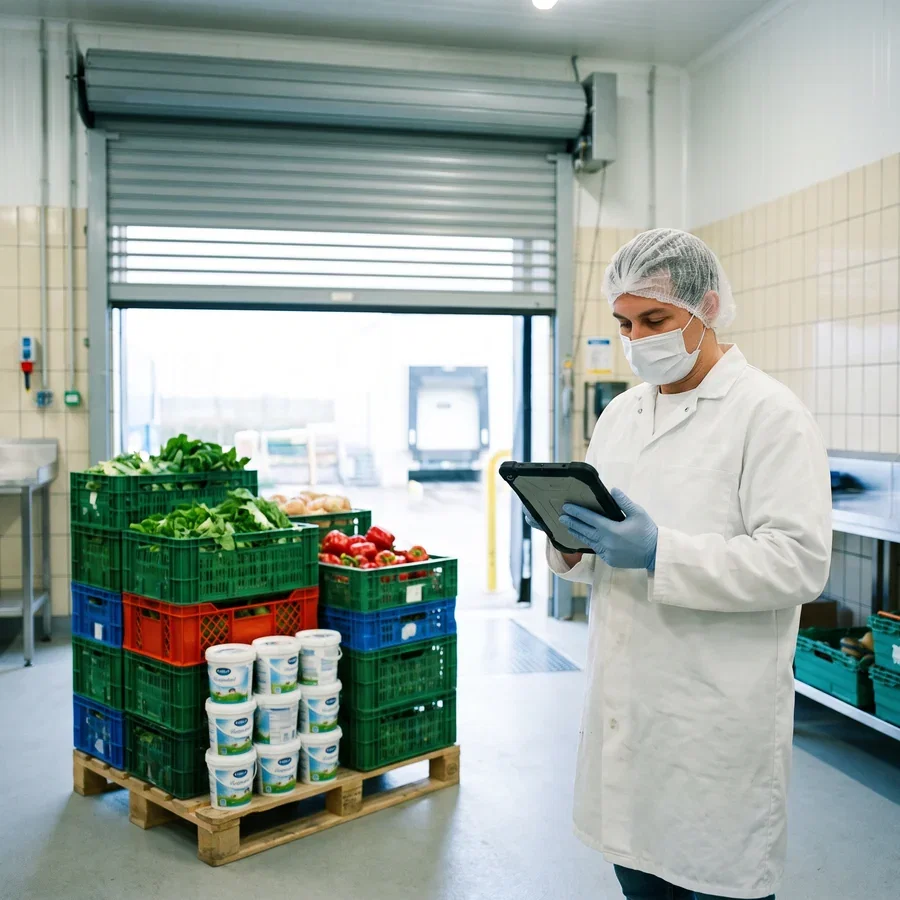
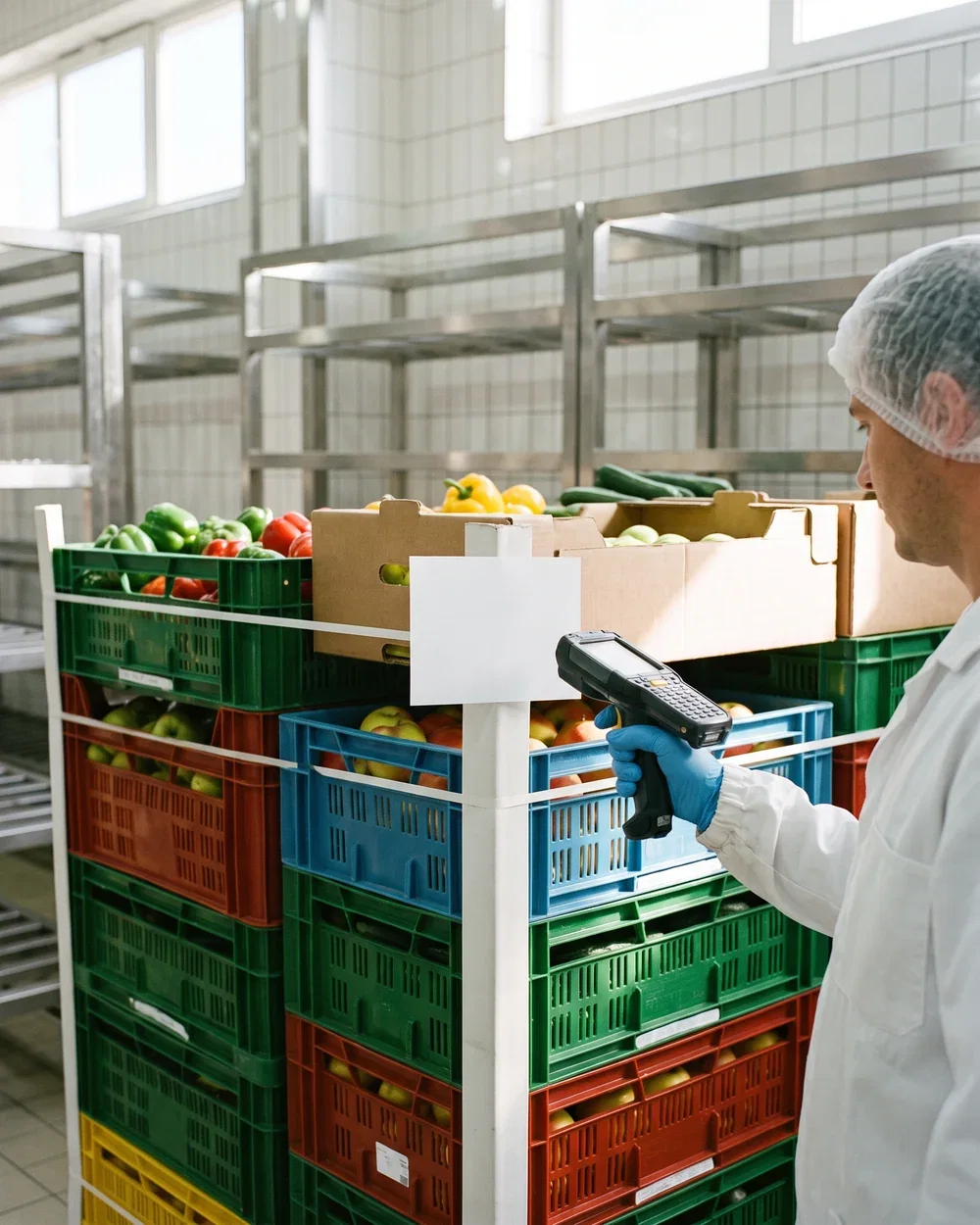
Every delivery of cream is booked against its lot and use-by date, so the line draws the oldest stock first.
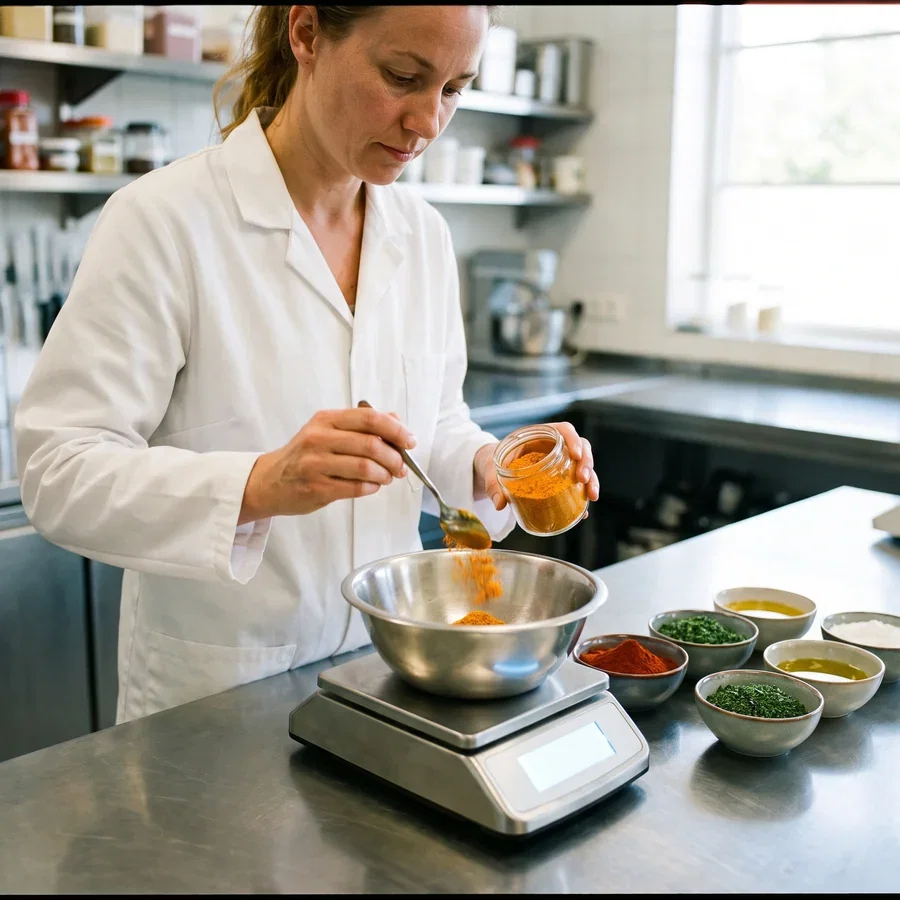
Recipes and Specifications
The recipe for batch 2214 holds the quantities, process steps and the spec the customer signed, in one version everyone works to.
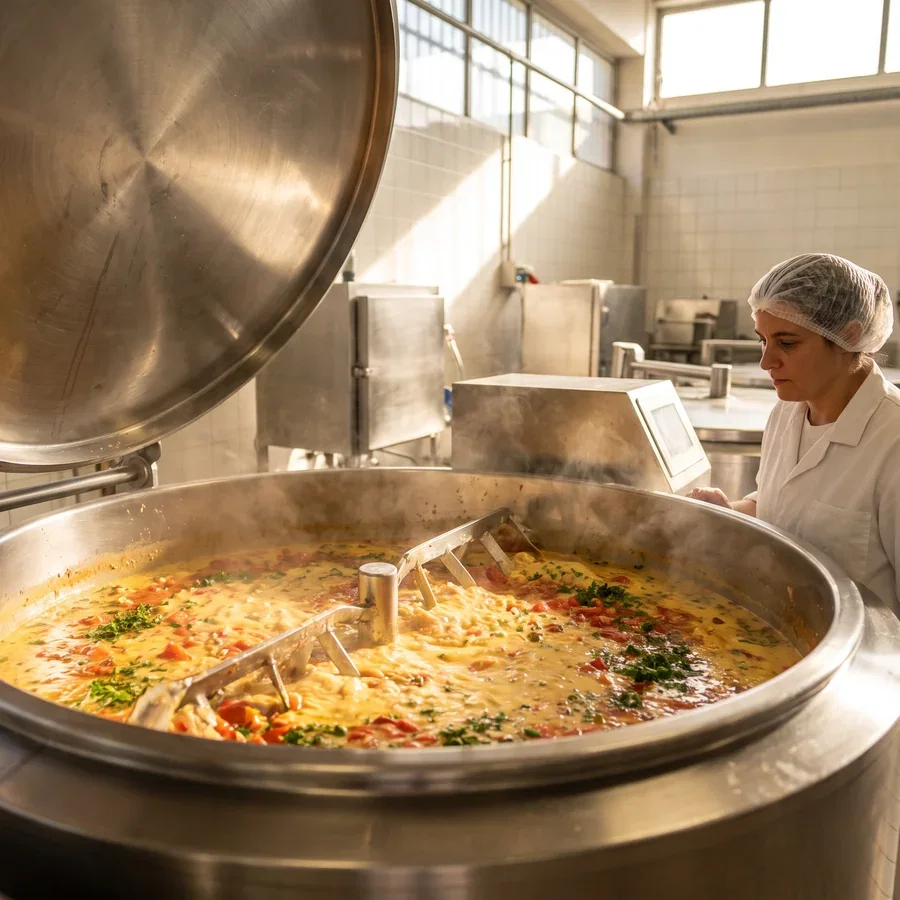
Batch Production and Yield
2214 records what actually went in and what came out, so a short yield surfaces the day it happens.
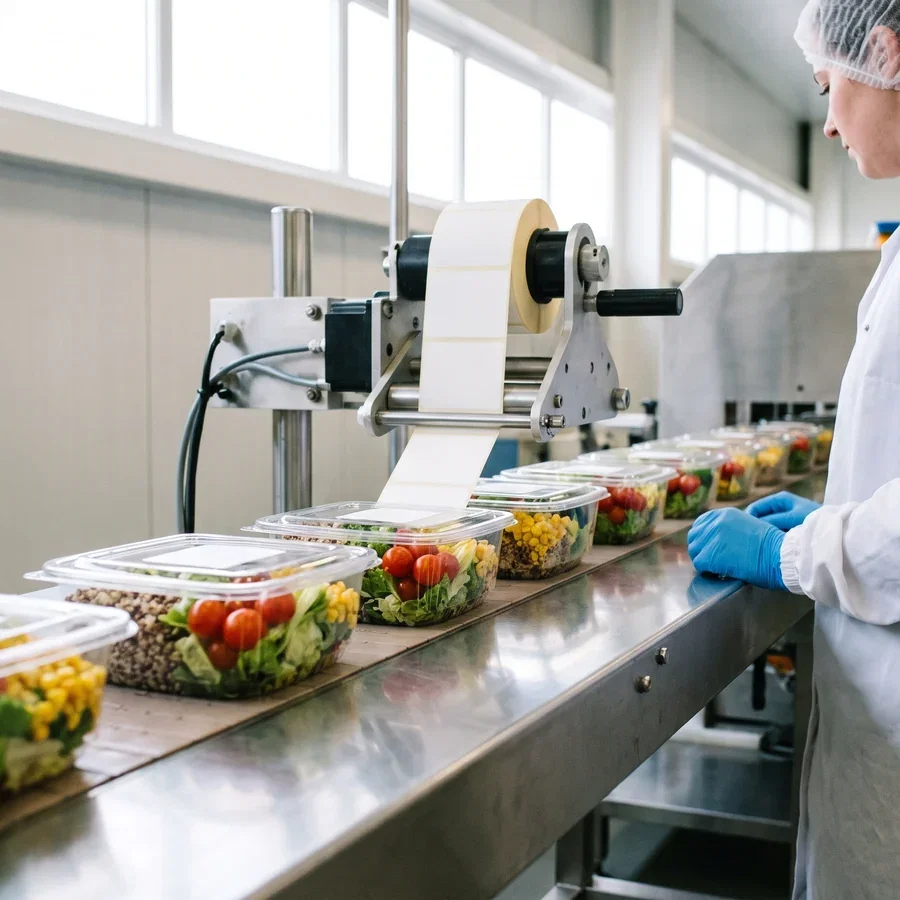
Allergens, Labels and Date Codes
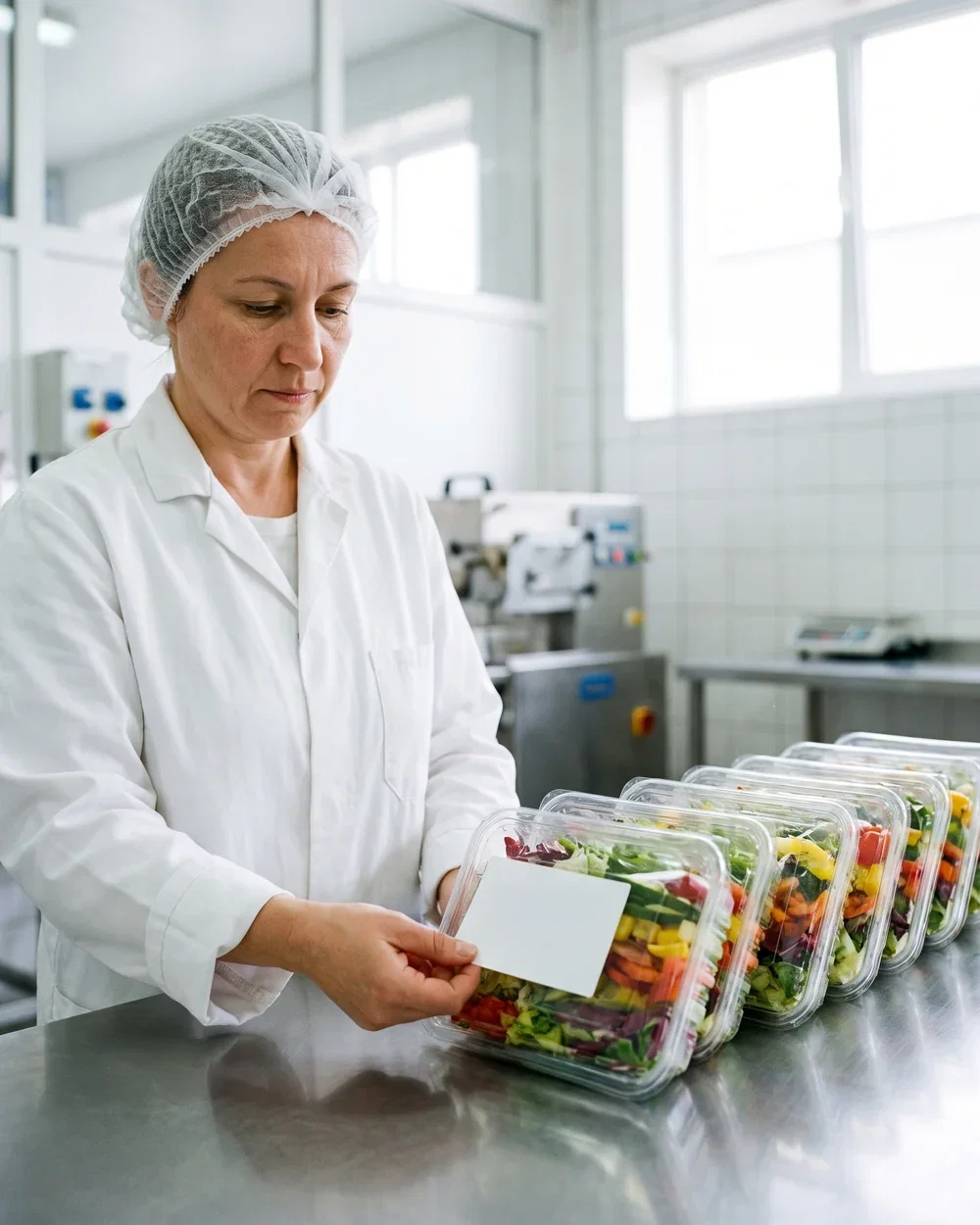
The label for 2214 carries the allergens from the recipe and the date code from the run, so a recall reaches only affected pallets.
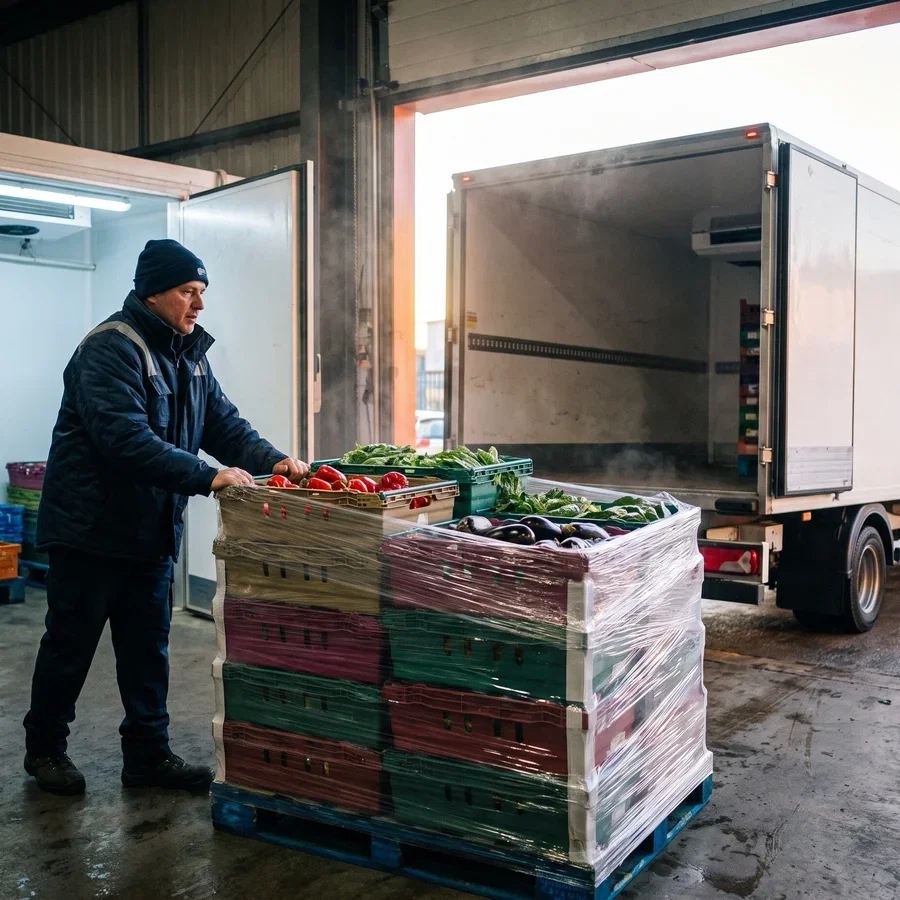
Cold Chain and Dispatch
Pallets are picked by date code, catch weights captured at dispatch, and the load goes onto the chilled vehicle for that route.

Recipe Costing and Margin
Ingredient cost, giveaway and downtime land on 2214, so you know the margin on a case before you agree next year’s price.
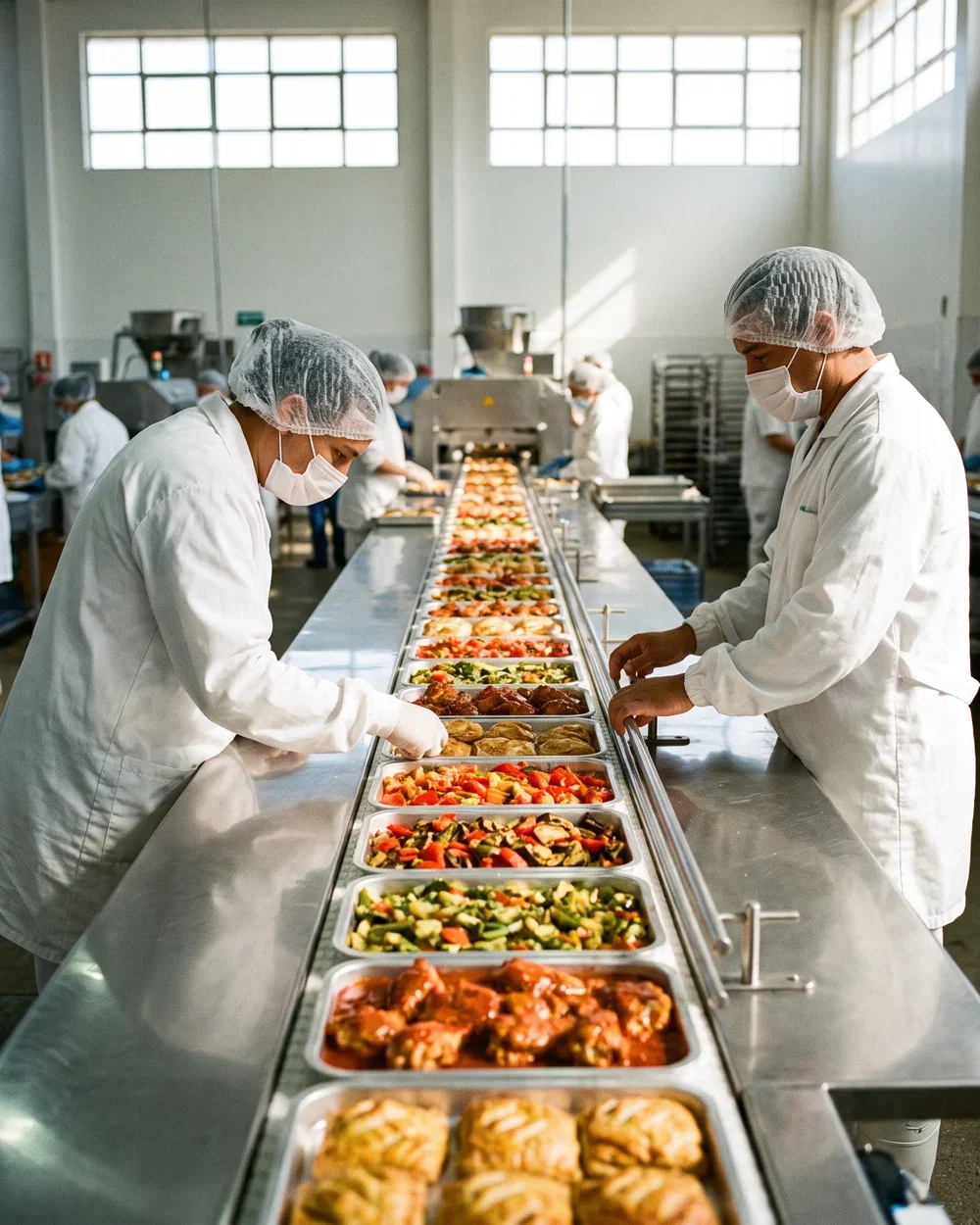
What Food Manufacturing Software Has to Do
Food manufacturing software is a production system with four extra obligations. It holds a recipe rather than a parts list, because a recipe scales, substitutes and loses weight to evaporation. It carries a lot number forward to customer and backward to ingredient. It knows a product expires, so picking follows a date. And it invoices a case of chicken on actual weight, not the case price.
Strip those out and you have a generic system, which is why food businesses keep the important parts in spreadsheets: the allergen matrix in a workbook, the traceability log in a binder, the shelf life in someone’s head.
We ran outsourced accounting for a US packaging manufacturer in the food and pharmaceutical cold chain, over 250 logged pieces of work, an engagement now on hold at the client end. It is why every food project starts with an audit rather than a demo, and why the production spine sits on our supply chain and manufacturing page.
Why the Food Industry Breaks Generic ERP
Traceability that only works on paper
A supplier notification gives you four hours to name which customers got the affected lots. Paper takes days.
Allergen risk hiding in the changeover
Allergen control fails between runs. The sesame line at ten and the plain product at two depend on a sanitation step scheduled, done and recorded.
Labels and specifications drifting apart
A recipe change is easy. Chasing every artwork file, nutrition panel and customer specification that quoted the old one is not.
Shelf life managed by memory
Picking should follow first expired first out, and a short dated lot should never reach a customer wanting ninety days.
Weight that changes between the scale and the invoice
Catch weight products are ordered by the case and paid for by the pound. Hold one unit only and somebody reconciles the difference by hand in the books.
Margin eaten by ingredient prices
Commodity inputs move weekly while price lists move quarterly, so product cost is an estimate and the first honest reading arrives at year end.
What the System Covers
Wholesale Food Distribution Software
Distributors, importers, co packers and route operators carry the same traceability and shelf life obligations without running a mixer, on the same lot spine as food and beverage ERP. Six capabilities separate them from general wholesale.
Broadline catalogues and pack sizes
Thousands of items across chilled, frozen, ambient and fresh, each sold as a case, piece, split case or weight, each with its own shelf life rule.
Contract pricing, brackets and rebates
Customer price lists, volume brackets, promotional windows and rebate accruals held as data, not an arrangement two people remember.
Route accounting and delivery settlement
Loaded, delivered, returned and credited against the route, reconciled the same day rather than in a Friday spreadsheet.
Direct store delivery and van stock
Van inventory is a real location, so a driver selling from the truck moves stock the system knows and invoices from it.
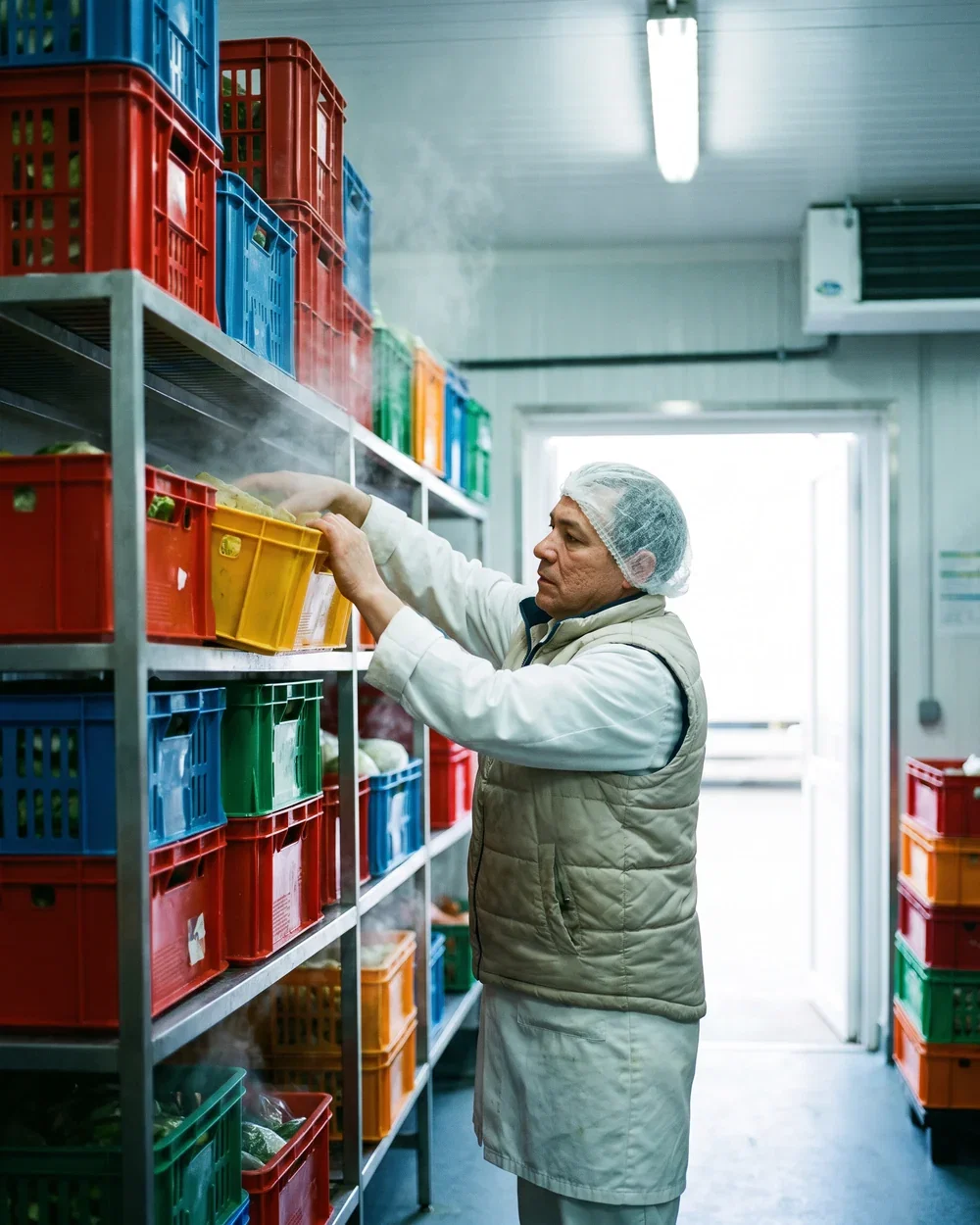
Cold chain and multi temperature storage
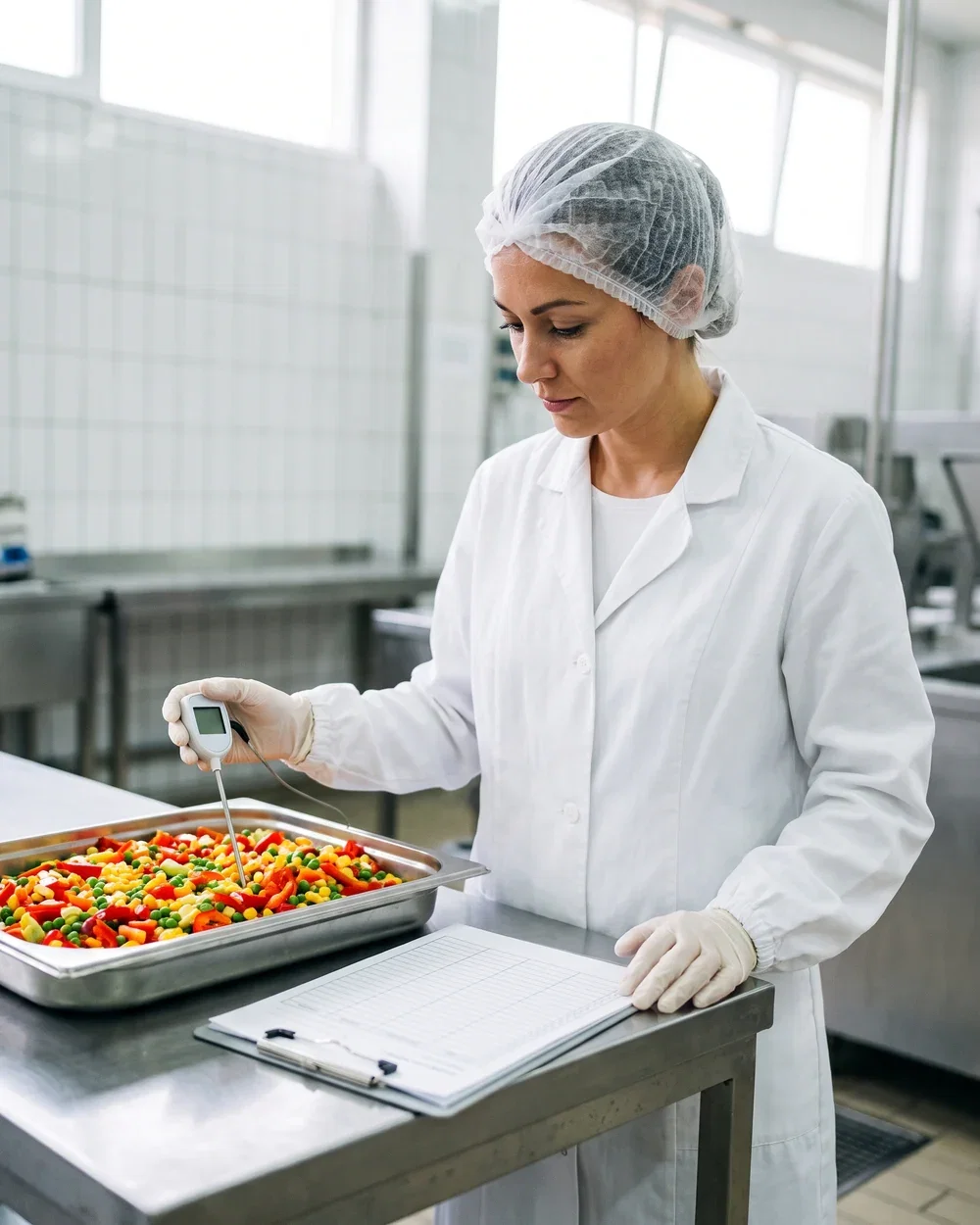
Chilled, frozen and ambient zones modelled as separate locations, with temperature evidence attached to receipts and shipments.
EDI and customer ordering portals
Orders by EDI, portal, phone or rep visit land in one order book, priced one way, with the same stock and date checks.

Food Costing After QuickBooks
Almost every food business we speak to started on QuickBooks. It fails in one shape: books in one place, inventory in a spreadsheet, production on paper, and the first week of every month spent making the three agree. The fix is not better accounting. Cost of goods has to come from what the batch consumed, inventory value from lots that exist, catch weight billing from the weight measured. We move accounts, balances, customers, items and on hand lots at a fixed fee, following our QuickBooks to Odoo migration sequence.

How It Works, Your Path to Go-Live
Six steps, fixed scope, no hourly billing. You work directly with an ERP consultant who has run food projects before, with no coordinator in between.
Discovery and process audit
We map how food and paperwork actually move: recipes and revisions, batch records, control points, allergen handling, date rules and catch weight items.
Solution design
We blueprint on staging: recipe structure, unit conversions, quality checkpoints, lot and date behaviour, label control and costing method.
Build and configure
We import items, recipes, on hand lots and opening balances. Recipe and allergen data is where food projects slip, so we agree the source first.
Validate with a real batch
We run one real product end to end on staging: receive, release, make the batch, record checks, label, ship, invoice, then trace it both ways.
Train and go live
Production, quality, warehouse, purchasing, sales and accounting each get a documented workflow and role specific training.
Optimize and grow
We stay on, sharpening batch costing, extending reporting and adding barcode scanning, EDI and quality control as needs grow.
Got questions? We have answers.
What is food traceability software?
Food traceability software records the identity, quantity, source and destination of every lot you receive, make and ship, so a batch can be followed forward to every customer and backward to every ingredient. In practice that means a lot number applied at goods in, carried through production, and printed on the case, pallet and delivery note. The value is answering within the hour when a supplier notification lands on a Tuesday afternoon, with an answer that holds up when a customer or auditor checks it.
Does it meet FSMA 204 traceability requirements?
FSMA 204, the FDA Food Traceability Rule, asks businesses handling foods on the Food Traceability List to keep Key Data Elements at each Critical Tracking Event and hand them over as an electronic sortable spreadsheet within 24 hours of a request. A properly configured system holds that data and exports it in that shape. Compliance itself stays your program, so we configure the system to support your HACCP, FSMA and food safety process rather than claiming to make you compliant. In scoping we map your lot codes and critical tracking events, then build the records and export around them.
How does the system handle allergens and label accuracy?
Allergens are declared on the item specification, so every recipe inherits the allergen profile of its ingredients and a supplier or formulation change flags every finished product it touches. Allergen runs can be sequenced after allergen free runs, with sanitation scheduled as part of the changeover instead of remembered. On the label side, artwork is tied to the product revision, so the approved label prints, and the nutrition panel is calculated from the recipe rather than retyped.
Can it manage shelf life, date codes and FEFO picking?
Yes. Each lot carries its production date and its removal, best before or expiry date, and anything made from that lot inherits the rule. Picking can be set to first expired first out so the warehouse ships the oldest saleable stock, and short dated lots stop reaching customers who need long life. Date codes and lot codes print from the record the traceability report reads. Stock approaching its date appears while it can still be sold, instead of surfacing as a month end write off.
Does it support catch weight products?
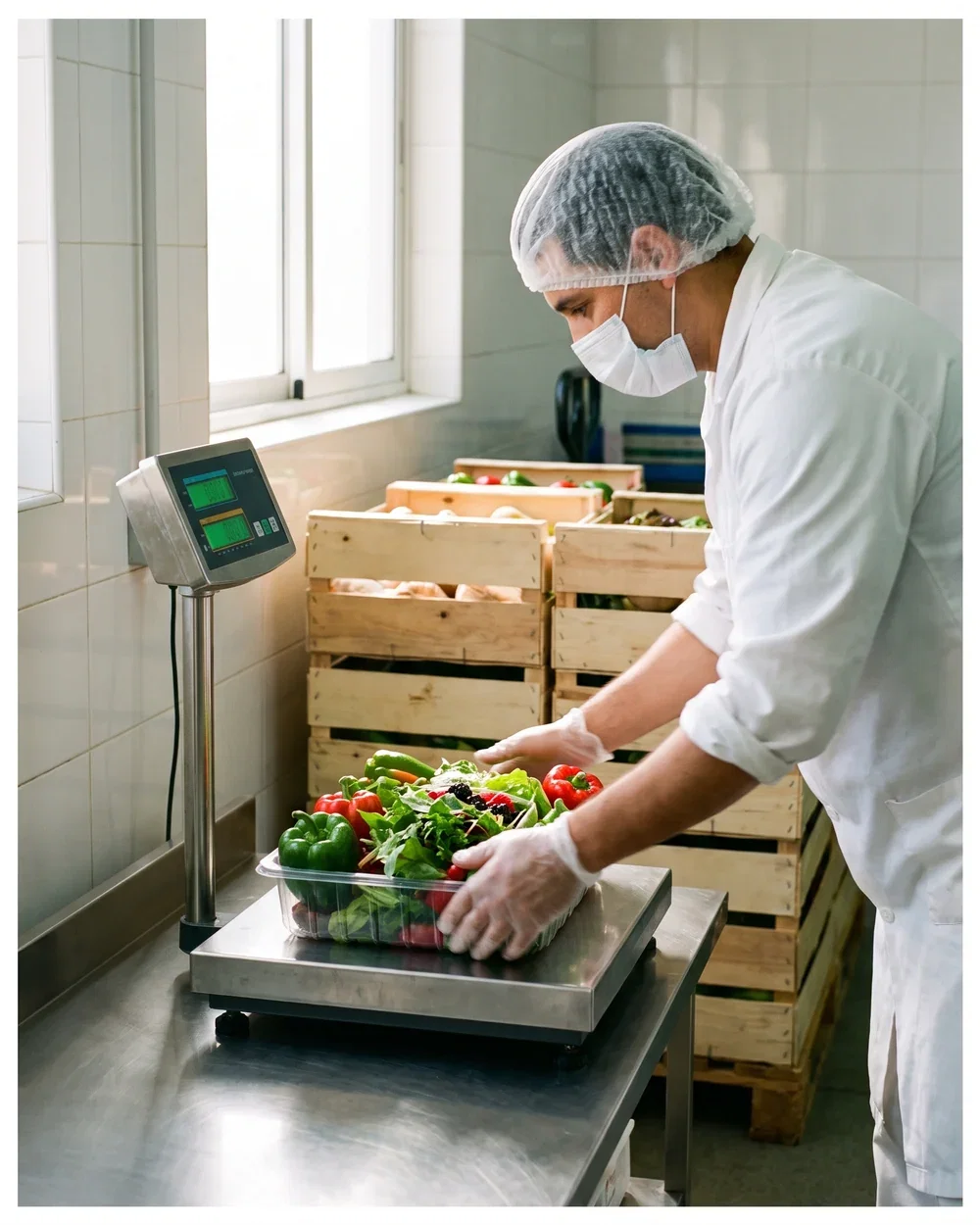
Yes. Catch weight products are ordered as a case or a piece but priced on actual weight. The system holds both units on the same line, captures the measured weight at pick or pack, and invoices from that weight, which removes the credit notes born of billing one weight and shipping another, and keeps inventory valued on what actually left the building. Meat, poultry, seafood, cheese and produce operations usually need this on day one, so confirm it during scoping rather than after go-live.
What does food traceability software cost?
Two separate costs, and most quotes blur them. The platform license is paid to the vendor: on Odoo, around $31.10 per user per month for Standard and around $61.00 for Custom on the United States list, billed yearly. The implementation is the project itself, quoted as a fixed fee against a written scope, with no hourly billing including for data migration. Industry estimates commonly place a mid sized implementation in the tens of thousands of dollars depending on sites, integrations and data quality. Treat that as an industry range, and expect our figure in writing after a scoping session.